Want to get paid to test websites? Companies pay regular people to try out their websites and apps and share honest feedback, usually by recording your screen and talking through what you think.
UserTesting is the best-known site, and it pays $10 for a standard 15- to 20-minute test. Userlytics pays $10 to $50 per study, and research platforms like Respondent can pay $100 an hour or more for longer interviews.
Here are 7 legit ways to get paid to test websites, how much each pays, and tips to get more tests.
| Site | Pay |
|---|---|
| UserTesting | $4 to $120 per test |
| Userlytics | $10 to $50 per study |
| User Interviews | Over $45 per study, on average |
| Respondent | About $100 an hour in my experience |
| TestingTime | About €40 per study (Europe) |
How Website Testing Works
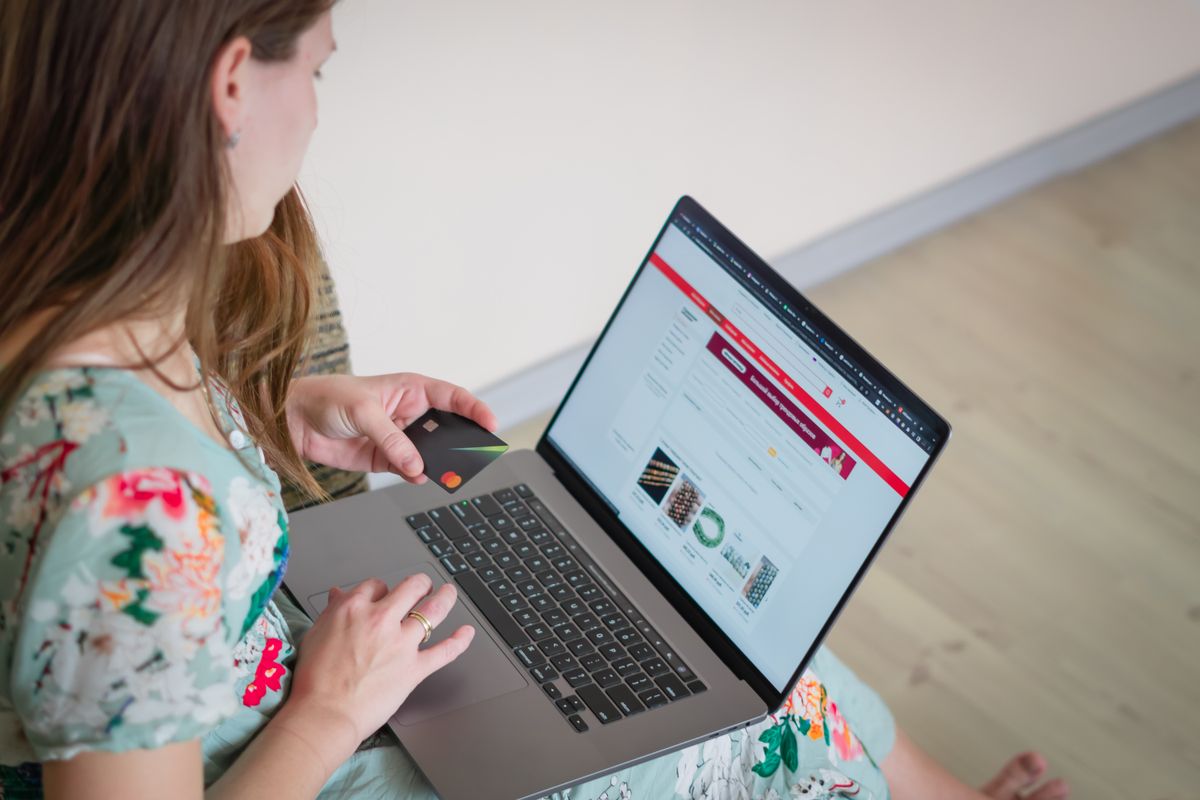
Before a company launches a new website or app, it wants to know where people get confused. So it pays testers to complete tasks, like finding a product or signing up for an account, while they think out loud.
Most tests are recorded on your computer or phone. You’ll usually take a short screener survey first, and you only get paid for tests you qualify for. You don’t need any tech skills, just a good microphone and honest opinions.
Best Sites to Get Paid to Test Websites
1. UserTesting
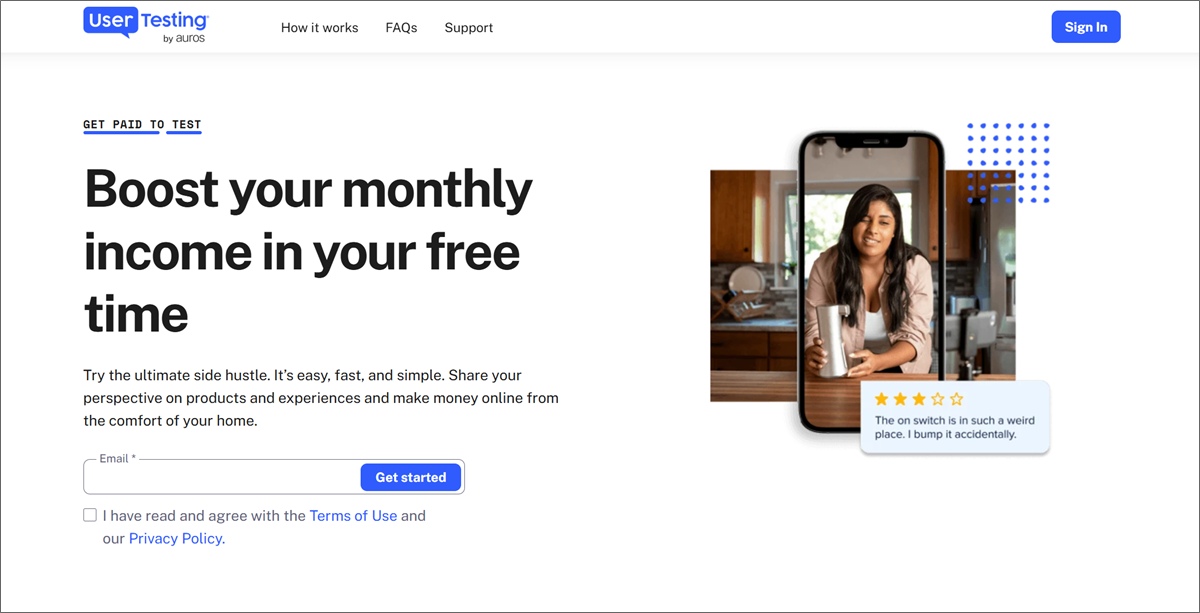
UserTesting is the biggest name in website testing.
According to its help center:
- short 5- to 7-minute tests pays $4
- standard 15- to 20-minute tests pays $10
- live conversations pay $30 to $120, depending on length
Payments go out by PayPal, usually 14 days after you finish a test. You’ll need to pass a practice test first, and a built-in microphone is fine.
My tip: act fast. When I tried UserTesting, new tests disappeared very quickly, so turn on notifications.
2. Userlytics
Userlytics pays $10 to $50 per study, and you’ll see the reward before you start. Approved tests are paid once every 15 days.
You must be 16 or older and take a short practice test. Some studies also want you on webcam, so the company can see your reactions.
3. User Interviews
User Interviews connects you with companies looking for feedback on new products, websites, and apps.
Some studies record you as you use a website, while others are video calls with a researcher.
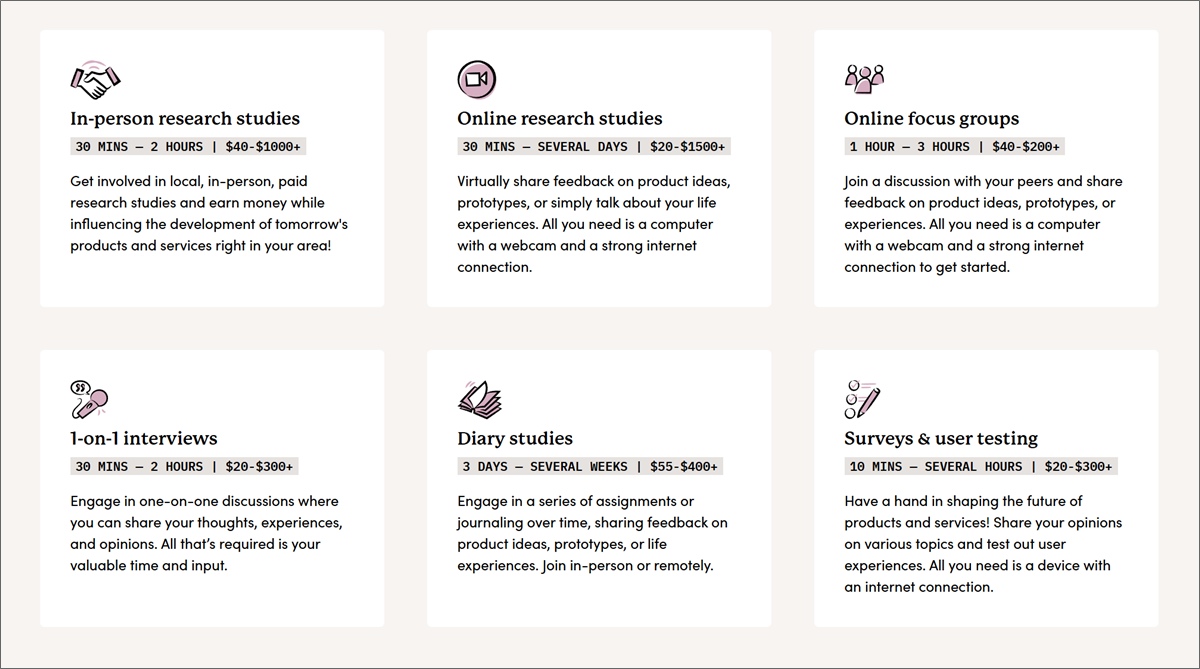
When we reviewed it, the average study paid over $45. Check out our full User Interviews review.
UserInterviews.com
4.1
User Interviews is a legit facilitator of online (and in-person) consumer research studies. Participants can get paid (generally $50-150/hr) to share their opinion and shape future products and services. While this won’t replace your day job, it can be a nice supplemental income.
- One of the best-paying survey companies I’ve found.
- Easy to sign-up.
- Lots of new studies added every week.
- Can be difficult to get selected.

4. Respondent
Respondent runs higher-paying research studies, including website and product feedback sessions. I’ve earned $680 on Respondent, which works out to about $102 an hour.
You won’t qualify for everything, though. My own success rate is a little under 10%, so apply to a lot of studies. Here’s my full Respondent review.
Respondent
4.1
Earn an average of $75 per 45-minute session, and get notified of upcoming studies you may qualify for.

5. TestingTime
TestingTime is a good pick if you live in Europe.
It says testers earn about €40 per study on average, for studies that usually take 30 to 90 minutes. Payments are sent within 10 business days.
6. Freelance as a Website Tester
You can also offer website testing as a service. Small businesses and app developers hire freelancers on Fiverr and Upwork to check their sites for bugs, broken links, and confusing pages.
Since you set your own price, this can pay better than testing sites once you have a few good reviews. Here are more tech side hustles.
7. Join Paid Focus Groups
Many market research companies run studies where you test new websites, apps, or ads.
They often pay more than standard usability tests, since sessions run longer.
Tips to Get More Website Tests
- Sign up for several sites. Tests come and go, so the more sites you join, the more steady your work will be.
- Answer screeners honestly. Userlytics warns that inaccurate answers can lead to poor ratings and fewer invitations.
- Talk the whole time. Companies want to hear what you’re thinking, so keep narrating as you click.
- Turn on notifications. The best tests fill up fast.
- Use a quiet space and a decent mic. Clear recordings get better ratings.
Serious About Making More Money?
- Start Your Free $500 Challenge. My free 5-day email course shows you how to add $500 to your bottom line.
- Join the free Side Hustle Nation Community. The free Facebook group is the best place to connect with other side hustlers and get your questions answered.
- Download The Side Hustle Show. My free podcast shares how to make extra money with actionable weekly episodes.

The award-winning Side Hustle Show is the #1 side hustle podcast
with over 1,300 5-star ratings!

Listen in your favorite podcast app or directly in your browser.




Frequently Asked Questions
Can you really get paid to test websites?
Yes. Companies pay testers to use their websites and apps and share honest feedback. UserTesting pays $10 for a standard 15- to 20-minute test, and Userlytics pays $10 to $50 per study.
How much does UserTesting pay?
According to UserTesting’s help center, short tests pay $4, standard 15- to 20-minute tests pay $10, and live conversations pay $30 to $120 depending on length. Payments go out by PayPal, usually 14 days after a test.
Do you need experience to be a website tester?
No. Most sites just want regular people who can explain what they’re thinking as they use a website. You’ll usually need to pass a short practice test first.
How much can you make testing websites?
Most people earn a little extra each month, since tests are limited and you won’t qualify for every one. Joining several sites and higher-paying research platforms like Respondent can boost your earnings.