Can 100 pieces of content really replace your day job? One YouTuber says yes, and he’s doing it with reviews and tutorials that still pay him months after he hits publish.
Jacob Wade runs Roadmap Money, a personal finance YouTube channel built almost entirely on search traffic and affiliate commissions.
He started by writing about budgeting apps and savings accounts for years, but it wasn’t until he brought that same expertise to YouTube that things clicked.
One video, “best budgeting apps of 2024,” started pulling in daily search traffic.
Nine months ago he had around 7,000 subscribers. Today he’s closing in on 25,000, with some months topping $15,000 from the channel.
Tune in to Episode 768 of the Side Hustle Show to learn:
- how to apply a “hub and spoke” content model to YouTube SEO
- how to pick keywords and topics as a small, low-authority channel
- how to turn viewers into affiliate conversions with QR codes and smart calls to action
Your Free Bonus:
Get Personalized Affiliate Video Ideas
Tell me your niche and I’ll email you 8 YouTube video ideas built to earn affiliate commissions, plus partner programs worth a look.
You’ll also get the Side Hustle Nation newsletter. Unsubscribe anytime.
Success! Your personalized ideas will be in your inbox in just a few minutes. Be sure to check your spam/promotions folder if you don’t find them.
Sponsors
- Quo (formerly OpenPhone) — Try it for free!
- Shopify — Sign up for a $1 per month trial!

- Gusto — Get 3 months free of the leading payroll, benefits, and HR provider for modern small businesses!

- Indeed – Start hiring NOW with a $75 sponsored job credit to upgrade your job post!

- Monarch — Get an extended 30-day free trial!

Is YouTube SEO Still Alive?
Despite plenty of “SEO is dead” takes, Jacob built his entire channel on the idea that YouTube SEO still works.
When he checked analytics on that early budgeting apps video, over 75% of viewers arrived by searching specific terms, the same way people search Google for answers to home repair or finance questions.
People ask YouTube questions just like they ask a search engine (whether it’s how to fix a sink or which budgeting app to use), which means well-targeted video content can rank and convert the same way a blog post used to.
How the Hub-and-Spoke Model Works on YouTube
Jacob borrowed the old blogging “hub and spoke” model directly.
The hub is a big roundup video, something like a best budgeting apps roundup covering six apps. Each of those six then gets its own individual review video, or “spoke.”
Viewers who want more detail click through to the individual review; as an affiliate marketer, that’s one more step toward a conversion.
He links these together deliberately now, something he admits he missed early on. A tip from fellow YouTuber Denis Trufin of Tru Financials pushed him to always point viewers to a related next video at the end of each piece, teasing it on screen rather than just ending cold.
That does two things:
- It tells YouTube which videos are related, so the algorithm recommends them together.
- It boosts watch time per viewer, which YouTube rewards because it keeps people on the platform.
How to Pick Keywords When You’re a Small Channel
Jacob treats YouTube Analytics as a map of where he already has authority. When the 2024 budgeting apps video took off, he made a 2025 version, and it did even better.
He read that as YouTube saying, “We like you for this.” Next came individual app reviews, from highest search volume to lowest, then comparisons.
To check search volume, he uses the vidIQ plugin (Pro plan) for YouTube volume and competition. He uses Keyword Surfer for Google search volume.
Today, he likes at least a couple thousand searches a month. Starting out, he couldn’t rank for those. So he targeted keywords with 500 to 1,000 searches a month that bigger channels ignored, like comparisons involving a less popular app.
Those views don’t need to go viral. Some of Jacob’s best-paying videos have under 10,000 views but earn more than $1 per view, because the viewers are ready to buy. Compare that to roughly $4 to $25 per 1,000 views from AdSense.
What Goes Into the Research and Scripting Process
Jacob hunts for “outlier” videos, vidIQ’s term for videos that outperform their channel’s size. Think of a 5,000-subscriber channel with a 50,000-view video. That’s proof a smaller channel can compete.
His research process:
- Search the topic in a browser where he’s not logged in (Safari, for him) to see neutral, unpersonalized results
- Compare a big channel’s video against a smaller outlier to see what each did differently
- Mine the comments for unanswered questions, which become must-cover points in his script
For products he’s actually used, he leans on real-world experience, since that’s where he believes a channel earns genuine ranking authority.
He outlines with ChatGPT or Claude, writes everything in a Google Doc, and reads intros and outros from a teleprompter, while demo segments stay more off-the-cuff with bullet points.
Why Credibility Has to Come Early
According to Jacob, YouTube has two lanes: search videos and everything else. Search videos don’t need MrBeast-style hooks. Just tell viewers what they’ll get, like: “I’ve reviewed 29 different savings accounts that claim to pay over 4%, but there really only are 5 that are worth your time.”
Right after the hook, he lays out his credentials. He’s a money coach for high earners who want to retire early. He’s helped people budget since 2007 and has tested every app in the video with his own data for 3 years.
As he put it, “that level of authority cannot be duplicated.”
Non-search videos get a bigger promise up front. One example: investing $10,000 in Fidelity ETFs could grow to over $6 million by retirement. Then he walks back through how.
How Affiliate Links and Calls to Action Actually Convert
Jacob routes every link, affiliate or not, through his own Roadmap Money tracking links so he can show brands real traffic numbers even before an official partnership exists.
That data became leverage: he showed Rocket Money a year’s worth of free referral traffic before they agreed to a formal partnership.
One surprising discovery: over 30% of his viewers watch on TV screens, which pushed him to lead with QR codes instead of relying on description links.
Conversions “skyrocketed” once he started displaying a QR code on screen at the beginning, sometimes the middle, and again at the end of videos.
Description links and a pinned comment come second. He lists products in search-volume order and highlights deals, like Monarch’s 50% off code or Quicken Simplifi’s free trial and discount.
Some partners offer exclusive deals, like a 60-day trial instead of 30 through his link. He’s upfront that viewers can also go direct. His pros and cons stay honest whether a brand pays him or not.
How to Get Into (and Negotiate) Affiliate Programs
Jacob’s advice for landing partnerships:
- find out if your niche even has affiliate programs
- apply even with no traffic yet
- and expect some doors to go quiet
For smaller or informal programs, tools like Pretty Links can track clicks you’re already sending, giving you leverage to approach a brand directly once you’ve built up some volume.
Once you’re in, prove your traffic quality. Impact.com shows click and conversion rates. If 50% of your free-trial signups convert to paid, that’s leverage for a higher rate, especially paired with a plan for more content about the brand.
Stair-step it. One program took Jacob 2 years to reach its top rate. Others raised his commission without him asking.
Why He’s “All In” on One Platform
Jacob has tried Instagram, TikTok, and building an email list, spending over a year on social media efforts with his wife and roughly half a decade trying to grow an email list that now sits mostly unopened at over 10,000 subscribers.
None of it matched the return he gets from YouTube. Focusing entirely on YouTube over the last 12 months more than doubled his revenue, even though he acknowledges the platform risk of relying on a single channel.
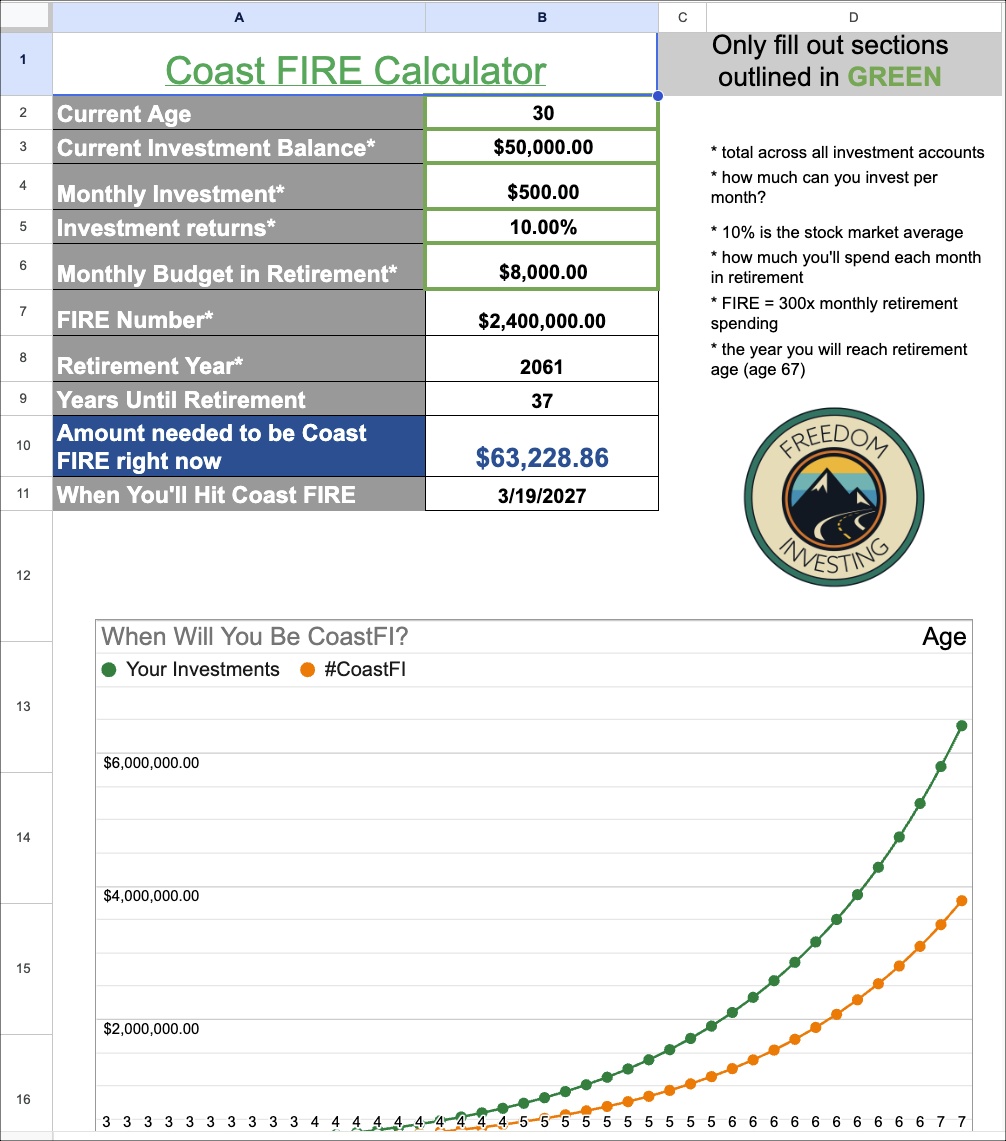
He does maintain one email funnel tied to a Coast FIRE calculator and financial independence content, which feeds a small coaching offer, but it’s a minor piece next to YouTube.
Does AdSense Still Matter?
Jacob keeps AdSense turned on alongside affiliate links. Review and comparison videos tend to carry higher RPMs because competing brands bid on that ad space.
He estimates AdSense currently brings in around $3,000 a month, a meaningful but secondary piece of his revenue compared to affiliate income.
Why He Doesn’t Notify Subscribers About Search Videos
Here’s a counterintuitive tactic, also from Denis. When Jacob publishes a search-based review, he unchecks the box that notifies subscribers.
People subscribe because one video helped them, not because they want every app review. Search videos start slow, maybe 90 views on day one. YouTube then gradually shows them to the right searchers.
General-interest videos, like his Coast FIRE journey or ETF portfolio content, still go out to all subscribers.
Tools/Tech
- vidIQ for YouTube search volume and competition
- Keyword Surfer for Google search volume
- ChatGPT and Claude for outlines and research
- Pretty Links for tracking affiliate and non-affiliate link clicks
- impact.com for affiliate click and conversion data
- Google Search Console for seeing which Google searches surface your videos
What’s Next for Jacob?
Jacob is ramping up content ahead of Q1, which he calls “the Super Bowl of personal finance on YouTube.”
His goal is to reach 100,000 subscribers in the next couple of years, partly so his kids will consider him a “legit YouTuber.”
He plans to keep publishing reviews and comparisons while continuing to lean into the ETF and investing content that’s been driving recent growth.
Jacob’s #1 Tip for Side Hustle Nation
“Just be consistent, persistent… give it 6 months to a year of just, I’m gonna do this thing and I’m gonna serve people and be helpful, and then see what happens.”
Episode Links
- Roadmap Money YouTube channel
- roadmapmoney.com
- Best Budgeting Apps of 2024 YouTube Video
- Denis Trufin of Tru Financials
- vidIQ
- Keyword Surfer
- Rocket Money
- Monarch
- ChatGPT
- Claude
- Pretty Links
- Google Search Console
- Coast FIRE calculator
- Impact.com
- sidehustlenation.com/jacob
- SideHustleNation.com/deals
Looking for More Side Hustle Help?
- Start Your Free $500 Challenge. My free 5-day email course shows you how to add $500 to your bottom line.
- Join the free Side Hustle Nation Community. The free Facebook group is the best place to connect with other side hustlers and get your questions answered.
- Download The Side Hustle Show. My free podcast shares how to make extra money with actionable weekly episodes.

The award-winning Side Hustle Show is the #1 side hustle podcast
with over 1,300 5-star ratings!

Listen in your favorite podcast app or directly in your browser.