What do hermit crab food, glitter bombs, and dog sunglasses have in common? They’re all real businesses making real money by solving weird, specific problems nobody else wanted to touch.
Steve Chou, from My Wife Quit Her Job, is back for his fifth appearance on the show, dating back to 2015.
He’s the author of The Family First Entrepreneur, and he built two successful side hustles before leaving his day job.
This episode continues the business idea donation series Steve and I have done a few times before, the kind where we just brain-dump a bunch of fascinating, often ridiculous business ideas we’ve stumbled across.
Past installments include Episodes 657, 563, and 530 in the archives.
Tune in to Episode 764 of the Side Hustle Show to learn:
- how niche pet products can quietly turn into multimillion-dollar businesses
- why “waste” products like dung, lost luggage, and old furniture can become profitable inventory sources
- how emotional triggers like fear, novelty, grief, and humor drive viral product sales
Sponsors
- Quo (formerly OpenPhone) — Try it for free!
- Shopify — Sign up for a $1 per month trial!

- Gusto — Get 3 months free of the leading payroll, benefits, and HR provider for modern small businesses!

- Indeed – Start hiring NOW with a $75 sponsored job credit to upgrade your job post!

- Monarch — Get an extended 30-day free trial!

Niche Pet Products Keep Winning
Steve’s take: it’s sometimes easier to go after something very specific than to face a lot of competition in a bigger market.
1. Snout and Shell: Gourmet Hermit Crab Food
Steve’s friend Meg wanted to get into pet products. Dogs and cats felt crowded, so she started a hermit crab food product called Snout and Shell. It’s mostly low-cost ingredients like seafood, seaweed, and flowers. As Steve said, “It’s all how you frame it.”
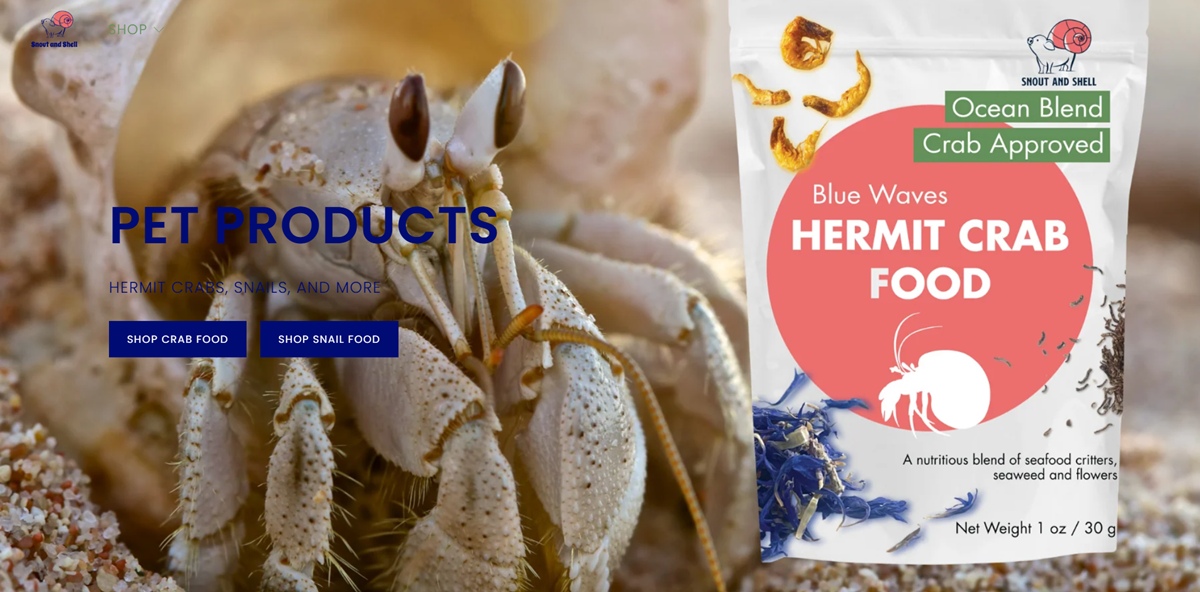
To market it, Meg dresses up as a hermit crab and pitches her product on TikTok. She sells through her own site, Amazon, and Chewy. Her bags sell for about $15 to $16 on Amazon, and some listings show 400+ bought last month.
She has about 500 reviews. Since only 1% to 2% of buyers usually leave a review, total sales are likely much higher.
One opportunity I noticed is that her site has no subscribe-and-save option, even though hermit crabs need food on an ongoing basis.
2. Doggles: Sunglasses for Dogs
Doggles sells protective sunglasses for dogs, including prescription versions. Steve called it a multimillion-dollar business.
The site cites veterinarians on the benefits, and photos of dogs wearing them often take off on Instagram.
3. Cuddle Clones: Custom Plush Pets
Cuddle Clones makes custom plush copies of your pet, starting around $250.
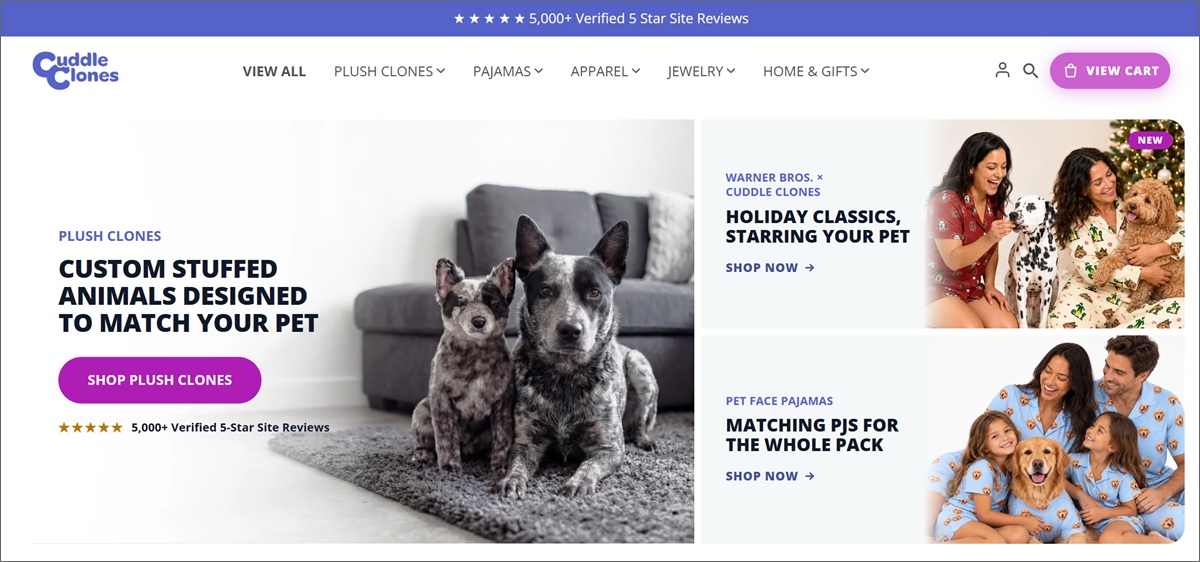
They’ve been in business since 2009, have thousands of 5-star reviews, and over 500,000 Instagram followers.
They report tens of millions of dollars in sales.
4. Rent the Chicken: Backyard Hens for a Season
Rent the Chicken lets you try backyard chickens for a season for $500 to $700. More than half of renters end up adopting the hens.
It reportedly brings in $17 million a year, though I wasn’t sure that number adds up.
I also brought up some past examples from the show, including:
- a dog birthday party planner charging $4,000 a party.
- a better hamster wheel
- a chicken-sitting service
- custom pet headstones on Etsy
Novelty Gifts and Pranks That Sell
5. Ship Your Enemies Glitter
Ship Your Enemies Glitter went viral years ago. The original owner couldn’t keep up with orders, so he sold the business for a reported $80,000+. The new owners kept it going, and the site says they’ve delivered 275,000 pranks.
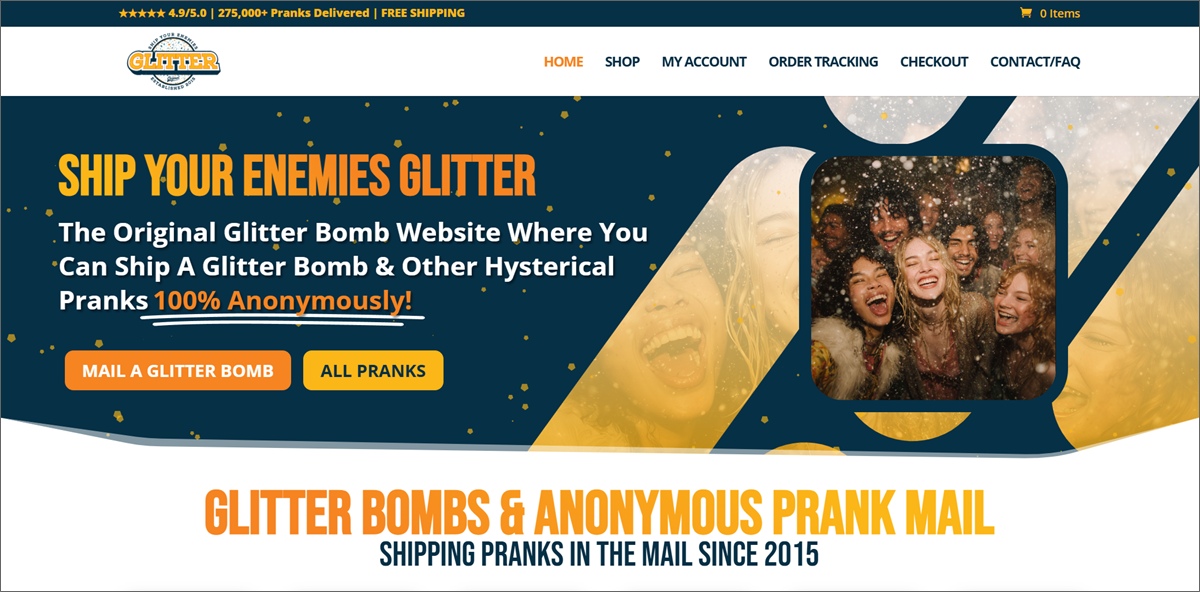
The main selling point is that the glitter bomb is sent anonymously.
The checkout is full of upsells, like double or triple glitter or a $3 message inside. Steve guessed the margins could be 90% to 95%.
6. Potato Parcel: Messages on a Potato
Potato Parcel, which appeared on Shark Tank, mails a potato with your message or face printed on it. Orders run $20 to $40.
Add-ons like cards and candy can push a $30 order up to around $45.
There’s B2B opportunity here. Sending unusual “lumpy mail” to sales prospects is hard to ignore. For example, I covered a business owner who drop-shipped custom cakes with sales messages on them through local bakers, keeping about a 30% margin.
7. Personalized Letters from Santa
One company has been selling letters from Santa since the 1950s for $13. Could the same idea work for the Tooth Fairy or the Easter Bunny?
8. Beard Head: Beanies with Built-In Beards
Beard Head sells knit beanies with a built-in beard. Steve guessed their margins are around 90%.
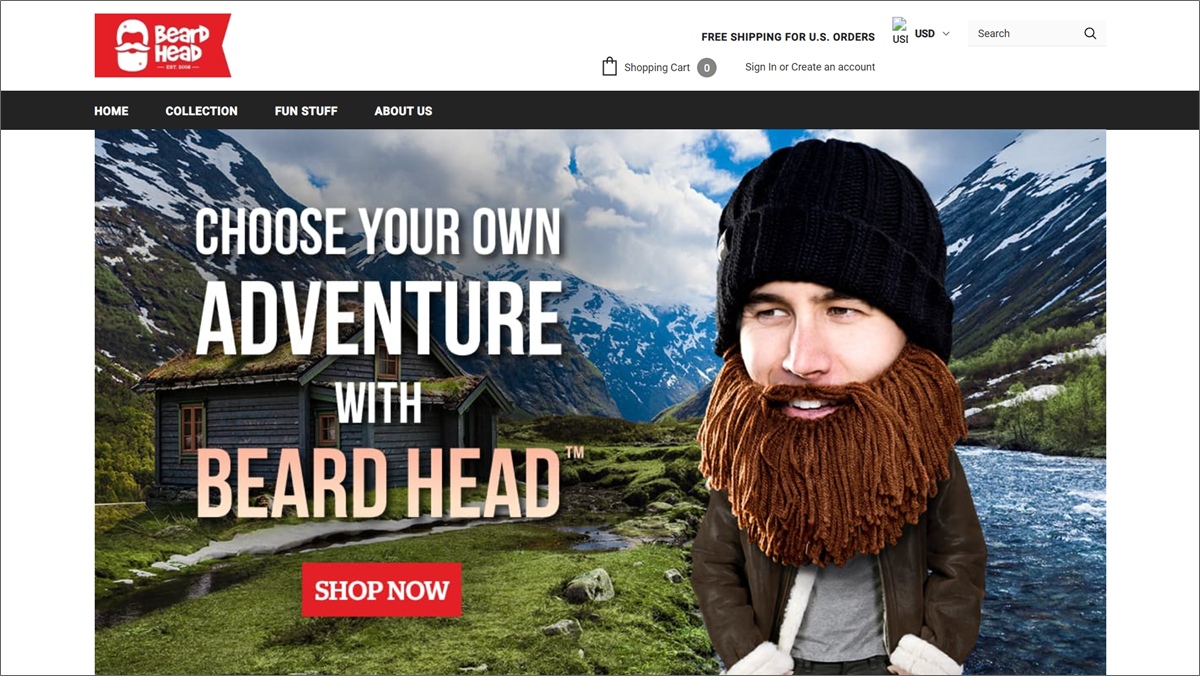
Knockoffs exist, but Steve noticed their reviews often complain about quality.
Being on Shark Tank and putting out new designs helps the brand stay ahead.
How to Turn Waste Into a Product
9. Poo-Poo Paper: Stationery Made from Dung
Poo-Poo Paper makes stationery out of elephant and cow dung, based in Chiang Mai, Thailand. A set of 3 notepads sells for about $25.
Steve said it’s really just a stationery company with a twist, and the twist gives people something to talk about.
I like using waste products because you might even get paid to haul the waste away. Steve added that showing how a product is made, like a factory tour video, can raise conversion rates.
Similar examples:
- Collecting shed deer antlers for decor and dog chews
- Turning food scraps from grocery stores and restaurants into compost
- Upcycling old handbags and baseball gloves into Apple Watch straps
- Selling tumbleweeds to Hollywood producers as props
- Selling driftwood, possibly to high-end aquarium shops
10. Unclaimed Baggage: Reselling Lost Luggage
Unclaimed Baggage is the nation’s only retailer for lost luggage.
It has multi-year contracts with airlines, trains, and buses. It runs a retail store in Alabama and sells online. About a third of items get sold, a third donated, and a third recycled.
I once lost my Kindle at FinCon. The hotel sent me to ileftmystuff.com, but I never got the Kindle back.
Other ways to get inventory cheaply:
- Angie’s e-waste business started by collecting used tech from homeowners and local tech companies for free. It’s now one of the biggest stores on eBay.
- Office furniture liquidators in the Bay Area took off after offices closed during COVID.
- Liquidation pallets. Shannon Jean showed a Costco return pallet selling for $12,000 with a retail value of $95,000.
Simple Products for Outdoor and Travel Niches
11. Kula Cloth: A Reusable Pee Cloth
Kula Cloth is a reusable pee cloth for women who hike and camp. It’s basically a square of fabric that sells for $20 to $24. It has 275 reviews and 4.7 stars on REI.
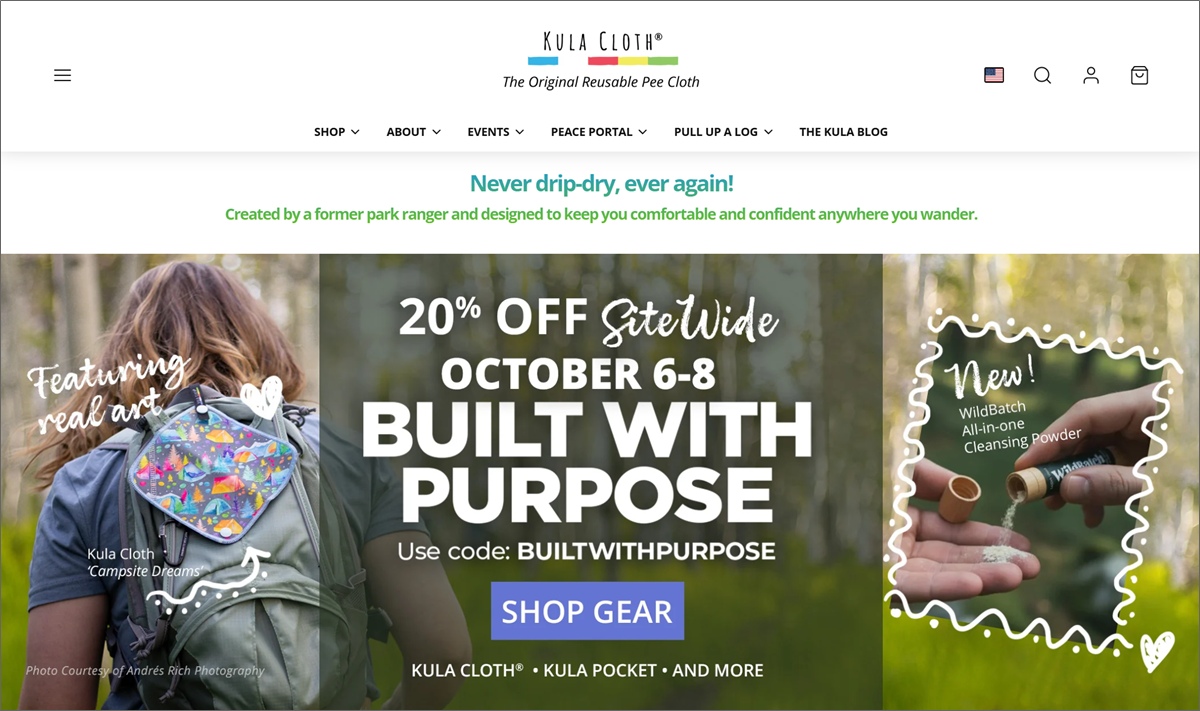
One estimate says it has sold over 400,000 units.
The brand charges $7 for shipping on its own site and leans on outdoor influencers.
12. Instant Underwear Tablets
This product is a small tablet that expands into disposable underwear when you put it in water. It’s part gag gift, part real product for camping and packing light.
Riding Viral Trends and Creative Combinations
13. The Snorkel Ice Bowl
You fill this bowl with ice water and dunk your face in it to reduce puffiness, breathing through an attached snorkel.
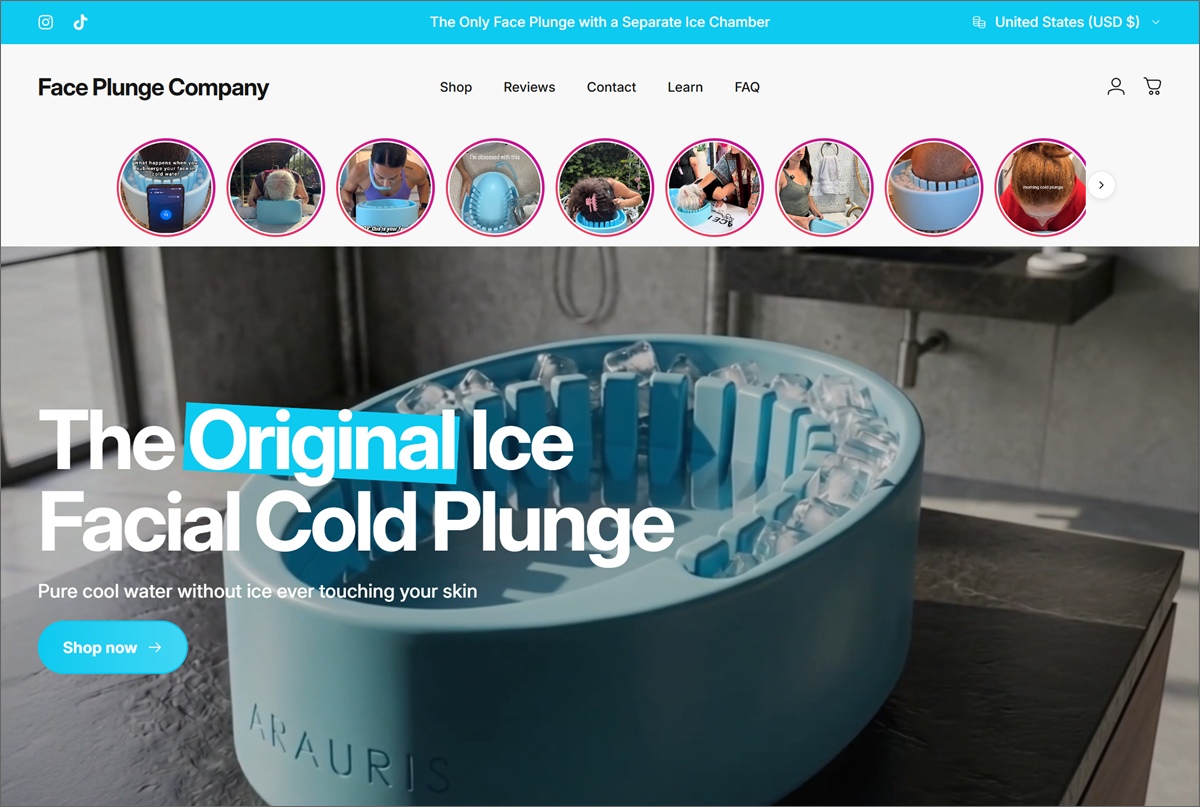
It sold for about $100 and made around $150,000 a month. It took off through a TikTok challenge, with creators earning through TikTok Shop affiliate links.
This reminds me of a creative exercise from Stephen Key: combine two random things, like a bowl and a snorkel, until you find something that works.
14. Michael Satterlee’s 3D-Printed Can Holder
Teen creator Michael Satterlee went viral with a 3D-printed can holder that lets you slam a fresh can into place.
His video got 50 million views on Instagram. Per Entrepreneur, his company makes up to $300,000 a month. Before that, he was making $10,000 a month selling 3D-printed Croc charms.
My family has a Bambu Lab A1 3D printer, which runs about $400. My oldest son prints fidget toys and team necklaces and has sold them at a neighborhood vendor fair, making $75 to $100 on a good weekend.
15. Chairigami: Cardboard Furniture for Events
Chairigami makes cardboard furniture for trade shows and events. It’s sturdy enough for a 2 or 3 day event and can be recycled afterward.
The site says regular orders are on pause, though custom design work continues.
Bulky products bring shipping headaches. Steve’s student behind The Cat Is in the Box had to raise shipping prices to almost the cost of the product. She now makes most of her money from a wool cat toy.
Why Emotion Sells: Fear, Humor and Grief
I noticed that many of these products tap into a strong emotion:
- Fear (the air purifier)
- Revenge and humor (glitter bombs)
- Novelty (potatoes, beard hats, instant underwear)
- Grief (Cuddle Clones)
People are less price sensitive when they’re gifting, grieving, or going through an emotional time.
16. The Wearable Air Purifier
This ionic air purifier hangs around your neck and sells for $150.
It was an Amazon bestseller earlier this year and has 825 reviews. Steve doubts it can clean the air that far from your nose, but its marketing plays on fear of infection and wildfire smoke.
17. The Smart Toilet Paper Dispenser
A “smart” dispenser tracks toilet paper usage and can limit how much comes out. Knockoffs have flooded the market.
Steve’s point was that almost anything can be copied, so brand, quality, and new designs help you stay ahead.
What’s Next for Steve? (How He Is Using AI to Automate His Business)
Steve is automating his businesses with Claude Code and some Codex.
He dictates his YouTube ideas, and AI trained on his writing turns them into a script that’s about 85% done.
That transcript then gets split into TikToks, LinkedIn posts, Facebook posts and Twitter threads in his voice.
AI now edits his Shorts too, using Claude Code and Hyperframes to add captions. He found Opus Clip didn’t work well for his content, so he trained Claude Code to make clips to his own specs.
I’ve also been automating parts of my podcast production over the past year, and it has re-energized me for the business.
Steve’s #1 Tip for Side Hustle Nation
Look for problems nobody else wants to solve, whether that’s a niche pet market, somebody else’s waste, or a product idea that sounds almost too weird to work.
As Steve put it about one particularly offbeat product, “the fact that I don’t understand it makes it an even better product… that means there’s very little competition in this area.”
Episode Links
- My Wife Quit Her Job (check out Steve’s free 6-day mini course on starting an online store)
- The Family First Entrepreneur by Steve Chou
- Snout and Shell
- TikTok
- Snout and Shell Chewy
- Doggles
- Cuddle Clones
- Rent the Chicken
- $4k Pet Birthday Party Planner Episode
- Hamster Ball Business Episode
- Chicken-Sitting Service Episode
- Custom Pet Headstones Episode
- Ship Your Enemies Glitter
- Potato Parcel
- Beard Head
- Poo-Poo Paper
- Unclaimed Baggage
- ileftmystuff.com
- Kula Cloth
- Bambu Lab
- Chairigami
- The Cat Is in the Box
- Claude Code
- Codex
- Opus Clip
- How to Turn Your Ideas Into Recurring Revenue, with Stephen Key
- Episode 735: Meet the Master Reseller Who Gets Literally Tons of Inventory for Free
- Episode 731: Shannon Jean episode on liquidation pallets
- Episode 657: business idea donation episode with Steve
- Episode 563: business idea donation episode with Steve
- Episode 530: business idea donation episode with Steve
- Side Hustle Nation Deals
Looking for More Side Hustle Help?
- Start Your Free $500 Challenge. My free 5-day email course shows you how to add $500 to your bottom line.
- Join the free Side Hustle Nation Community. The free Facebook group is the best place to connect with other side hustlers and get your questions answered.
- Download The Side Hustle Show. My free podcast shares how to make extra money with actionable weekly episodes.
The award-winning Side Hustle Show is the #1 side hustle podcast
with over 1,300 5-star ratings!

Listen in your favorite podcast app or directly in your browser.