The easiest way to make money on land is to rent it to someone who needs it, like a local farmer, hunters, campers, or even dog owners. Large, flat parcels may qualify for a solar lease, which can pay $1,000 or more per acre per year.
If you’re willing to put in more work, the land can become a business. Garrett Brown turned 10 acres into a glamping site that brings in over $100,000 a year.
How much you can make depends on your acreage, location, and zoning. For example, U.S. cropland rented for an average of $161 per acre in 2025, while pasture averaged just $15.50, according to the USDA.
Below are 16 ways to make money on land, from hands-off leases to land-based side hustles. Jump to the ideas sorted by acreage to see what fits your property.

1. Lease It to a Farmer
If your land is good for crops or grazing, the simplest option is to rent it to a farmer nearby. They do the work, and you collect rent once or twice a year.
According to the USDA, U.S. cropland rented for an average of $161 per acre in 2025, and pasture averaged $15.50 per acre.
Rates vary a lot by state and soil quality, so check the county-level numbers for your area.
In many states, keeping land in agricultural use can also qualify it for a lower property tax rate, so ask your county assessor how a lease would affect yours.
2. Host Campers on Hipcamp
Hipcamp is like Airbnb for camping. Farms, ranches, raw land, and private woods can all be listed, and hosts have earned more than $300 million on the platform.
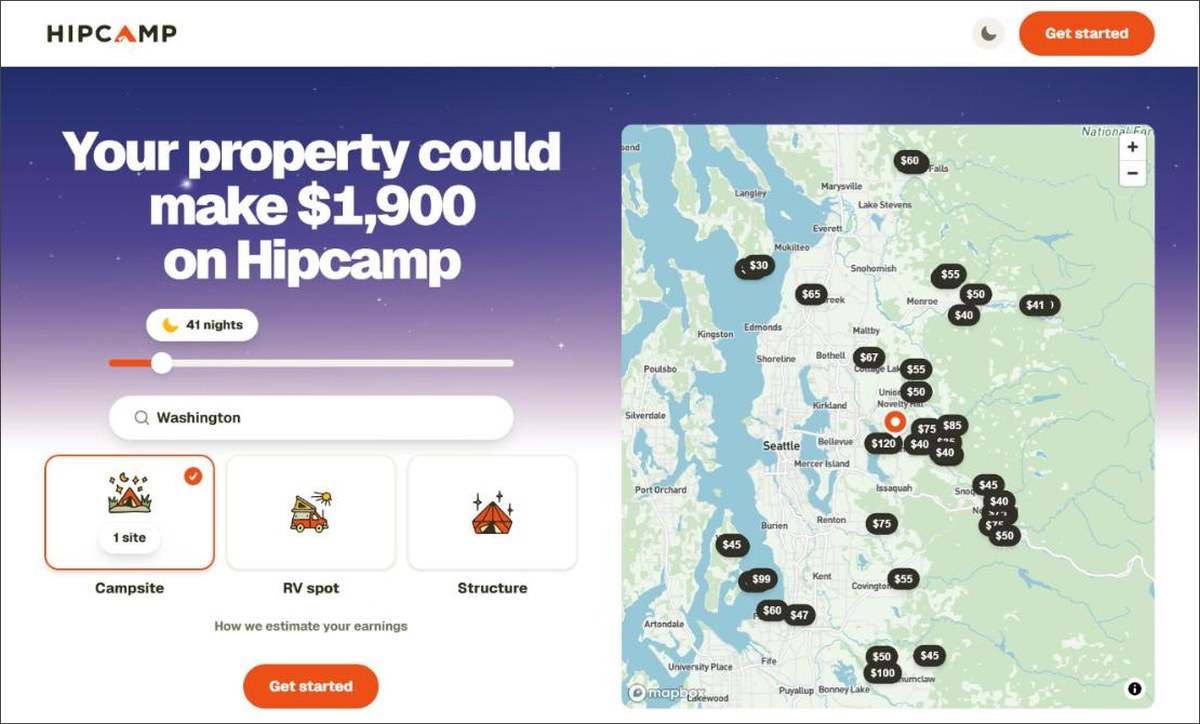
Listing is free, and Hipcamp takes a commission on confirmed bookings. You’ll need to provide a toilet for campers, but many first-time hosts start by welcoming self-contained RVs and add amenities later.
Hosting campers is also one of the better small-town business ideas if you live in a rural area.
3. Lease Hunting Rights
If you own farmland or woods, hunters may pay for access during the season.
In a 2025 University of Nebraska survey, 62% of properties with hunting leases earned under $2,500 a year, and 29% earned $2,500 to $4,999.
Platforms like LandTrust handle bookings and include a $1 million general liability policy. There’s no upfront fee, and they only get paid when you do.
4. Rent Your Yard as a Private Dog Park
Sniffspot lets you rent your fenced yard or field to dog owners who want a safe, private place to let their dogs run. You don’t even have to be home during visits.
Hosts set their own prices, and the average is about $10 per dog per hour, according to Sniffspot’s CEO in a 2025 Philadelphia Inquirer story.
Sniffspot takes about 25%, and top hosts earn over $3,000 a month.
Bigger spaces help: yards over half an acre tend to get more visitors.
5. Rent Storage Space for RVs and Boats
People need somewhere to keep RVs, boats, trailers, and project cars. Neighbor lets you rent out your driveway, barn, or a gravel pad on your property for storage.

According to Neighbor, RV, car, and self-storage spaces are in high demand. Once your space is booked, it’s about as passive as side hustles get.
Check out our full Neighbor review to learn more.
6. Rent It Out for Events and Photo Shoots
A pretty field, barn, or garden can be worth more than you think to photographers, filmmakers, party planners, and weddings.
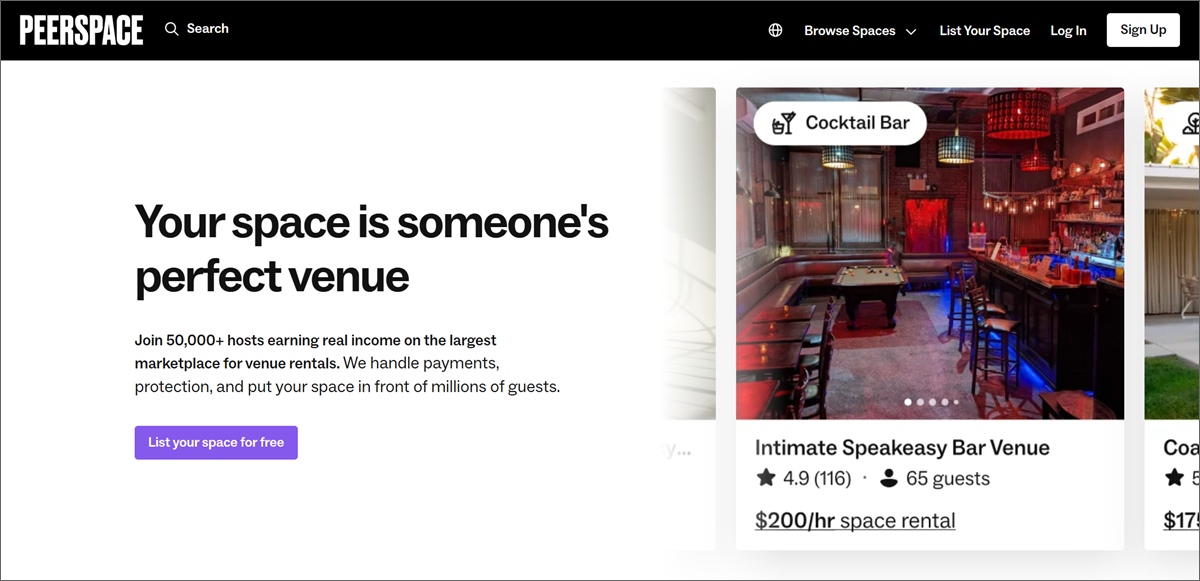
Peerspace lists backyards, gardens, and event spaces by the hour, and it’s paid hosts more than $500 million. There are no upfront costs or monthly fees, so you only pay when you get booked.
7. Lease Land for Solar
Solar developers lease large, flat parcels to build solar farms, and the rent can beat almost anything else on this list.
According to AgWeb, offers typically run $1,000 to $2,000 per acre per year, with some topping $4,000. The catch is that developers usually want 20 acres or more, and leases last 20 to 40 years.
Have an attorney review any solar lease before you sign, since you’re tying up the land for decades.
8. Get Paid to Manage Your Forest for Carbon
If you own woods, you may be able to get paid to keep them growing.
The Family Forest Carbon Program works with private forest owners in 20 states and offers guaranteed annual payments for following a sustainable management plan.
You also get a professional forester’s help, and the program has paid landowners more than $56 million so far.
9. Build a Glamping Site
Garrett Brown bought a house on 10 acres and turned the land into Cameron Ranch Glamping, with unique stays that rent for $400+ a night.

The glamping business brings in over $100,000 a year, and his first dome cost about $30,000.
Check your county’s rules first, since rural counties vary a lot in how they treat alternative structures.
10. Start an Agritourism Business
Pumpkin patches, corn mazes, U-pick berries, farm tours, and farm stays all fall under agritourism, and people will drive a long way for them.
U.S. farms earned $1.26 billion from agritourism in 2022, according to the USDA. Even a small seasonal event can work, like a weekend pumpkin patch or a fall photo spot.
Check with your insurance agent first, since you’ll have the public on your property.
11. Grow Gourmet Mushrooms
Kyle Beaver started growing gourmet mushrooms like oyster and lion’s mane in a spare room for about $300.
Today he runs Ten Mile Mushrooms in rural Pennsylvania, and the side hustle helped him buy a 70-acre farm.
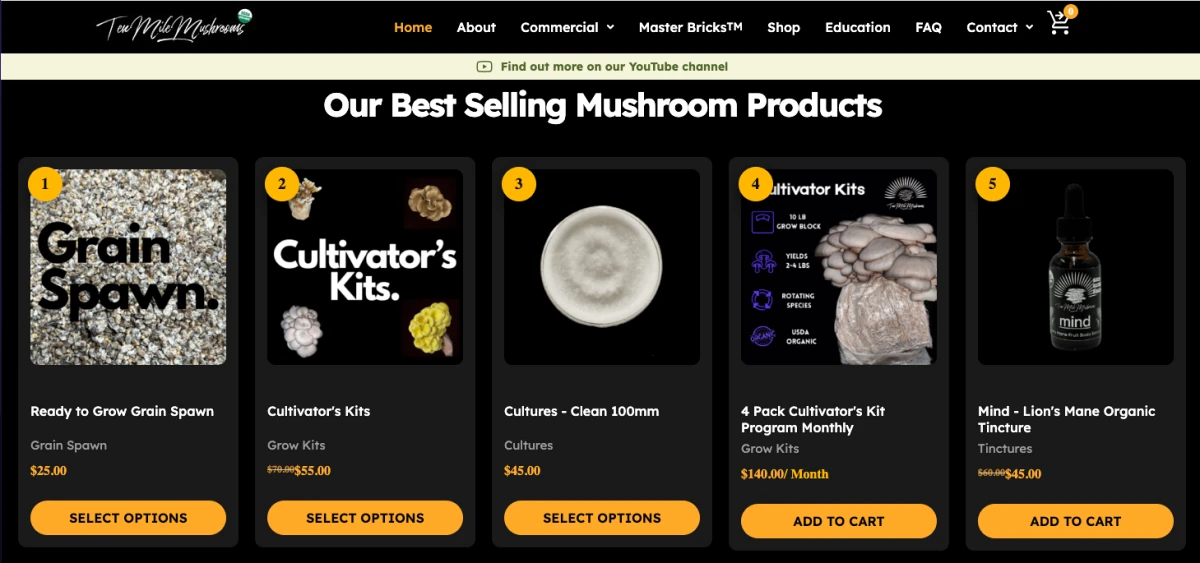
Mushrooms don’t need much space, so they’re a good fit even on a small lot. Kyle sells at farmers markets, to restaurants, and through local subscription boxes.
12. Start a Farm Stand
If your land sits along a busy road, a farm stand can turn traffic into sales. You don’t even have to grow everything yourself.

Shannon Houchin has been flipping peaches at roadside stands for 10 years.
She buys produce wholesale and prices it at about three times her cost, and a single stand can bring in $1,000 a weekend.
13. Teach What You Know About Homesteading
Deborah Niemann moved to the country in 2002 to raise her own food.
Today she runs a six-figure business teaching people about goats, through:
- a podcast
- a YouTube channel
- website content
- six online courses
- a paid “Goats 365” membership
If you’re learning to raise animals, garden, or homestead on your land, other people want to learn it too. Share what’s working (and what isn’t) online.
14. Flip Rural Land
Don’t own land yet? You can still make money with it.
Roberto Chavez built a land flipping side hustle to $10,000 a month. He buys parcels from owners who don’t want them anymore and resells them, often with owner financing.
For example, you might buy a $10,000 parcel for $2,500 and resell it for $199 a month for five years.
Land flipping is one of the more hands-off real estate side hustles, since there are no tenants or buildings to maintain.
15. Fix and Flip “Junk Land”
Some parcels are cheap because something’s wrong with them, like a title problem or no legal road access. Wayne Seminoff turns junk land into buildable lots by fixing those problems.
In one deal, he bought a lot for $1,000 from an owner who couldn’t sell it, then spent $15,000 on legal fees to clear the title. That lot is now worth about $500,000.
16. Sell It
Sometimes the best money you can make on land is selling it. U.S. farm real estate averaged $4,350 per acre in 2025, according to the USDA.
If the land costs you more in taxes and upkeep than it earns, compare those numbers to what you could do with the cash. Even selling part of a large parcel can free up money while you keep the rest.
Best Ways to Make Money on Land by Acreage
Under 2 acres: a private dog park, RV and boat storage, event and photo rentals, mushrooms, and a farm stand.
About 5 acres: camping on Hipcamp, a small agritourism business, and homesteading content.
10 acres or more: glamping, leasing to a farmer, and hunting leases.
20 acres or more: solar leases and forest carbon programs.
No land yet: flipping rural land and fixing up junk land.
Looking for More Side Hustle Help?
- Start Your Free $500 Challenge. My free 5-day email course shows you how to add $500 to your bottom line.
- Join the free Side Hustle Nation Community. The free Facebook group is the best place to connect with other side hustlers and get your questions answered.
- Download The Side Hustle Show. My free podcast shares how to make extra money with actionable weekly episodes.

The award-winning Side Hustle Show is the #1 side hustle podcast
with over 1,300 5-star ratings!

Listen in your favorite podcast app or directly in your browser.




Frequently Asked Questions
How can I make money on land I own?
The easiest ways are to rent it out: lease it to a farmer, sell hunting access, list it on Hipcamp, or rent space for RV and boat storage. If you want more income and don’t mind more work, you can build a business on it, like a glamping site or a farm stand.
How can I make passive income from vacant land?
Leases are the most passive option. A solar lease can pay $1,000 or more per acre per year if your land qualifies, and hunting leases or farm leases pay rent with little work on your part. Storage rentals through Neighbor are hands-off once they’re booked.
For more ideas beyond your land, check out my list of passive income ideas.
How much money can you make on 5 acres?
It depends on what you do with it. Leasing 5 acres of cropland at the 2025 U.S. average of $161 an acre brings in about $800 a year. Running a business on the land, like camping or agritourism, can earn much more, but it takes more work.
How much does farmland rent for per acre?
U.S. cropland rented for an average of $161 per acre in 2025, and pasture averaged $15.50 per acre, according to the USDA. Rates vary widely by state, so check your county’s numbers before you set a price.
Do I need permission to use my land for a business?
Often, yes. Check your county’s zoning rules, especially for camping, glamping, and events with guests. It’s also smart to talk to your insurance agent and find out whether a new use changes your property taxes.