Looking for things to make and sell? You’ve got more options than ever, and you don’t need to be a master craftsman to get started.
The best things to make and sell are products that cost little to make but sell for a lot more, like printables, print-on-demand candles, 3D-printed products, and baked goods. Some Side Hustle Show guests have turned these into $10,000+ a month businesses!
Most ideas fall into one of three buckets:
| Type | How It Works | Best Ideas |
|---|---|---|
| Physical products | You make each item yourself and ship it or sell it locally | Baked goods, 3D prints, laser-engraved gifts, woodworking, clothing |
| Digital products | You make a file once and sell it over and over | Printables, spreadsheets, Canva templates, books |
| Print on demand | You create the design, and a partner prints and ships each order | T-shirts, candles, books |
Below are 20 things to make and sell, with real examples and what they earn. (If you’d rather sell stuff you already own, here are the best things to sell to make money.)
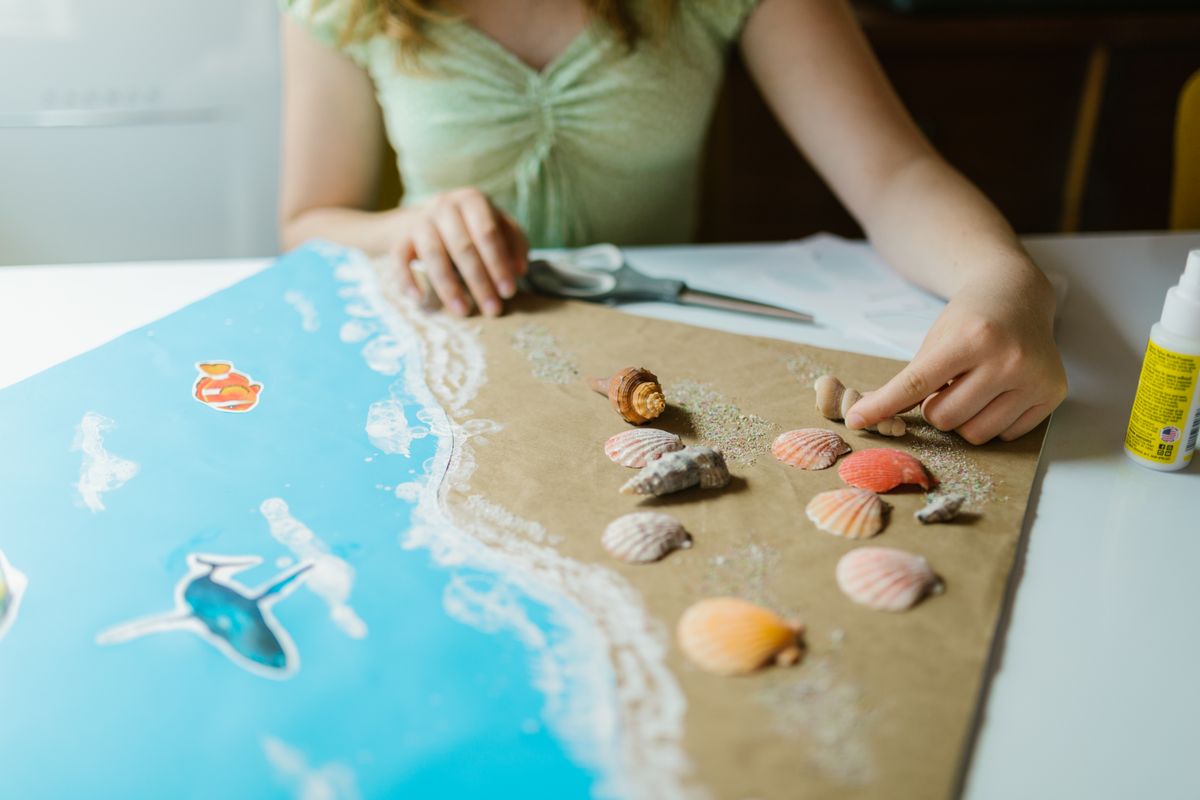
1. Cookies and Baked Goods
Type: Physical | Startup cost: Low | Where to sell: Local pickup, farmers markets, Instagram
Baking is one of the easiest hobbies to turn into cash, since you probably already have most of the equipment.
Jenn Fei runs So Here’s the Dough, a cottage kitchen cookie business in Livermore, California.

She charges $50+ per dozen for her custom cookies and routinely sells out within minutes of a new release, all without shipping anything or relying on Etsy or Amazon.
Her secret is building a local following on Instagram, then using flash sales and pre-orders to sell out each batch.
Before you start, check your state’s cottage food laws. Most states let you sell certain homemade foods without a commercial kitchen, but the rules on what you can sell and where vary a lot.
2. Charcuterie Boards
Type: Physical | Startup cost: Low | Where to sell: Local delivery, events, corporate gifts
Monisha Misra turned her love of cheese boards into a charcuterie board business that hit $100,000 in revenue in less than a year.
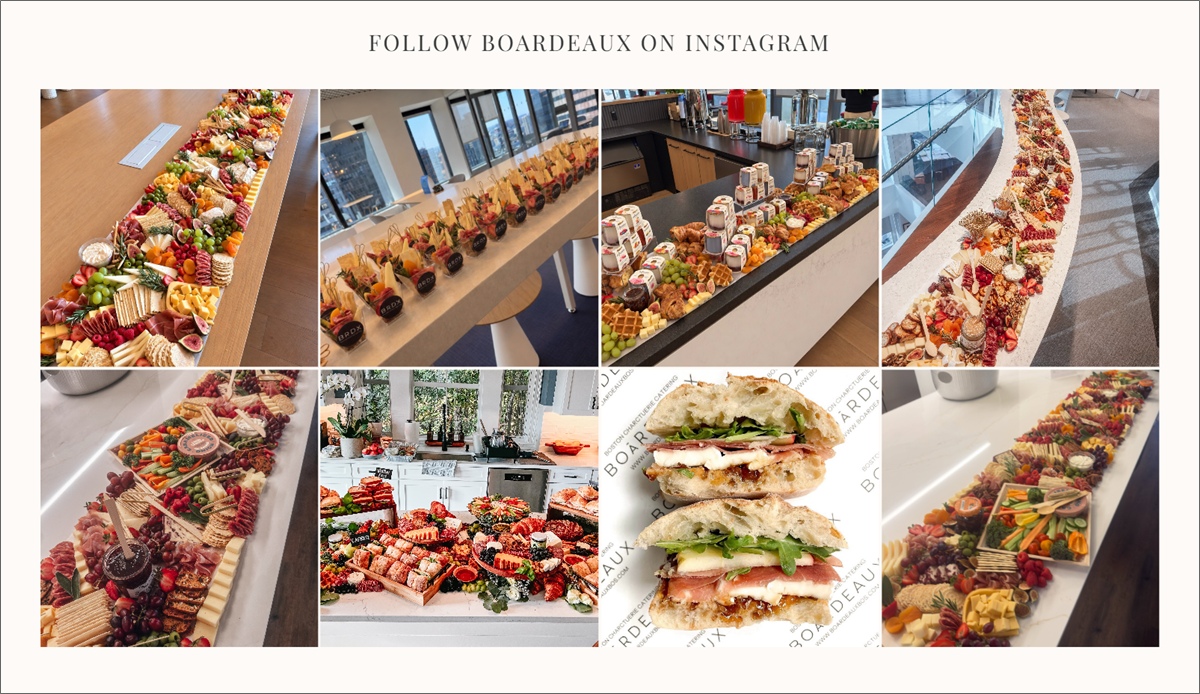
When we caught up with her, she’d passed $1 million in lifetime revenue, and Monisha was running it full-time with a team of 7.
She grew it with Instagram, local press, and awards, then added workshops, classes, and corporate gifting to keep the orders coming.
3. 3D-Printed Products
Type: Physical | Startup cost: Low to medium | Where to sell: Etsy, TikTok Shop, local markets
A beginner 3D printer costs about $300 to $400, and small prints often use just a few dollars of filament.
High schooler Michael Satterlee sells 3D-printed charms for Croc shoes, like miniature engines and tractor treads, for $9.99 a pack. Each pack costs around 25 cents in materials, and his business was on track for $300,000 in revenue when we covered it!
My son started much smaller, selling fidget toys and team necklaces at a neighborhood vendor fair for $75 to $100 on a good weekend. Here’s my full guide to making money with a 3D printer.
Just make sure you have the rights to sell what you print, since many popular designs are licensed for personal use only.
4. Laser-Engraved Gifts
Type: Physical | Startup cost: Medium to high | Where to sell: Etsy
Personalized gifts are a huge category on Etsy, and a laser engraver lets you customize everything from wood to stone.
Rodney Melton runs MeltonMemorials, an Etsy shop selling custom engraved pet headstones. In one year, he brought in over $200,000 in sales with estimated profit margins of 65%, according to CNBC.
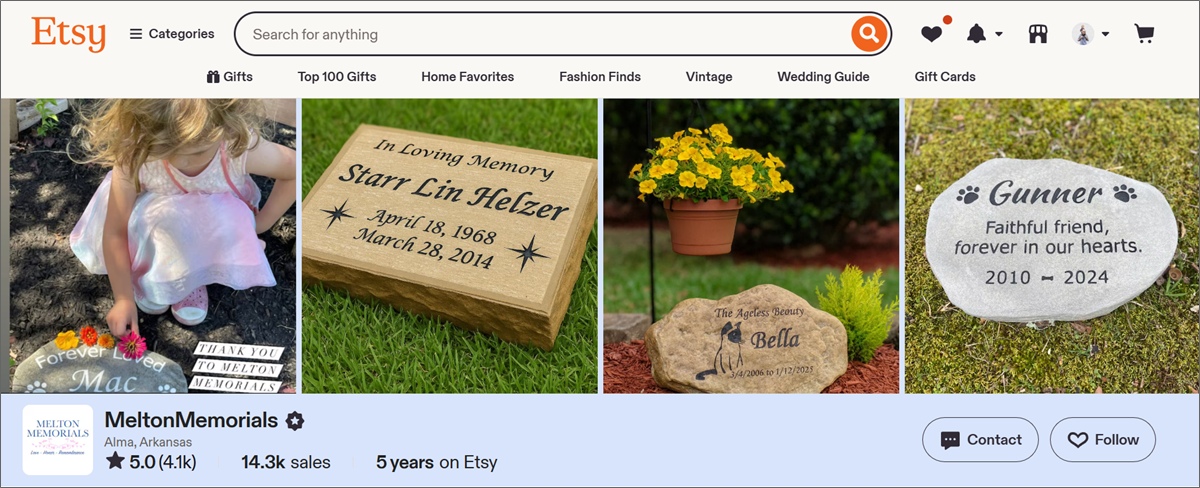
His trick for keeping costs low is picking up discarded granite scraps from a local countertop maker. Since opening, his shop has made over 14,000 sales.
(He’s one of many creative side hustles we’ve featured on The Side Hustle Show.)
5. Woodworking Projects
Type: Physical | Startup cost: Medium | Where to sell: Etsy, Facebook Marketplace, your own site
Paul Kaster taught himself woodworking from YouTube videos at age 12, then started making wooden bow ties from reclaimed exotic woods.
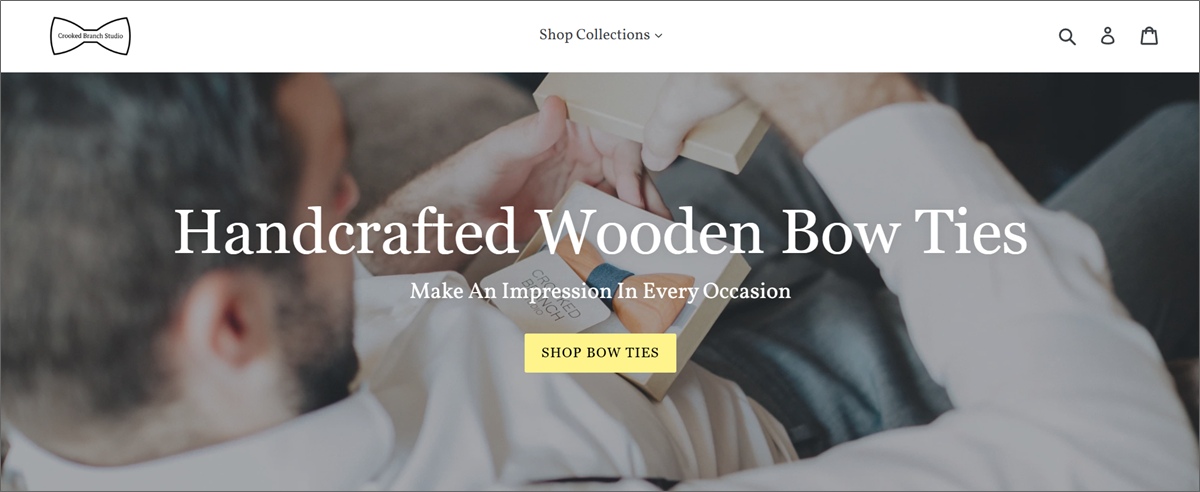
He priced them at $40 to $50 on Etsy (and later on his own site, Crooked Branch Studio), and while he was still in high school, the business did $40,000 in revenue and $20,000 in profit in a single year.
Ben Corkery went bigger, literally. He built a tiki bar from free pallets, sold it for $250, and kept building tiki bars. As his designs improved, his prices climbed to $500 and up, and in his best week he did about $8,500 in sales.
6. Jewelry
Type: Physical | Startup cost: Low | Where to sell: Etsy, craft fairs, workshops
Handmade jewelry like polymer clay earrings and beaded bracelets is cheap to make and easy to ship.
Chloe Winstanley started making polymer clay earrings as a hobby. Then she realized she could make more money teaching other people how to make them, and her local craft workshops have sold more than $100,000 in tickets!
That’s a great reminder that once you can make something, you can sell both the product and the skill.
7. Plants, Microgreens, and Mushrooms
Type: Physical | Startup cost: Low to high | Where to sell: Farmers markets, restaurants, Etsy
Got a green thumb? Brian Aleksivich of The Lots Project sells comfrey root cuttings on Etsy, Facebook Marketplace, and Craigslist. He earns “a couple hundred bucks a week” by harvesting on Sundays and shipping on Mondays.
Nate Dodson grew microgreens into a $1,000-a-month side hustle selling at the farmers market, to local restaurants, and through home delivery. Then he started teaching others with an online course and built that business to $40,000 a month.
On the bigger end, Doug Bronson built a basement mushroom farm that grosses about $2,000 a week, though he spent over $30,000 on equipment to get there. Here are more hobbies that make money.
8. Art and Novelty Gifts
Type: Physical | Startup cost: Low | Where to sell: Etsy, Amazon, your own site
Sometimes the quirkiest ideas sell best.
Mary Winchenbach of Maine has sold art made from moose droppings for over a decade, and her best seller is a “poopoo clock.”
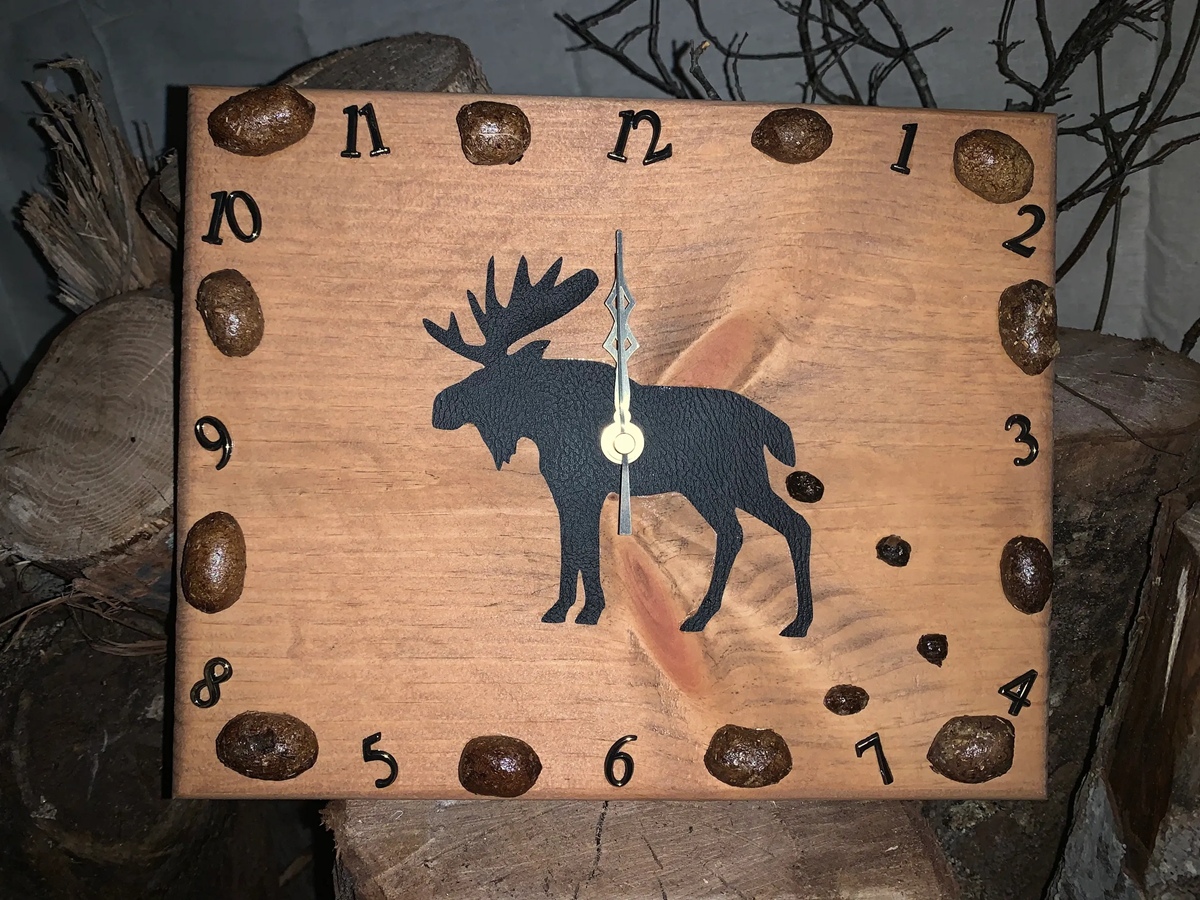
When her story went viral, orders exploded (as the Portland Press Herald reported), and she quit her full-time job to run the business.
Maury McCoy of PennyPortrait.com sells posters of Abraham Lincoln that you fill in with pennies. He’s sold more than 5,000 of them at $20 each through his website, Amazon, and U.S. Mint gift shops.
9. Refinished Furniture
Type: Physical | Startup cost: Low | Where to sell: Facebook Marketplace
If you’re handy (or willing to learn from YouTube), you can buy secondhand furniture, give it a makeover, and resell it.
Hobbyists often earn $100 to $200 per piece flipping furniture on Facebook Marketplace. Dressers in a rustic farmhouse style are a great place to start, since the simple shape and slightly imperfect finish are forgiving for beginners.
10. Custom Clothing and Sewn Goods
Type: Physical | Startup cost: Low to medium | Where to sell: Your own site, Instagram, Etsy
If you can sew (or know someone who can), clothing made for a passionate niche can sell at premium prices.
Samantha Hamilton started out wearing a mom-made tutu to her races. That idea turned into Dottie for Running, a brand selling Disney-themed running skirts to a devoted community of Disney-loving runners.
She first priced her skirts at $69, and by the time she sold the business, they went for $100 to $130 each. Instead of tying up cash in overseas manufacturing, she hired local seamstresses in Alabama and paid them per skirt.
Samantha grew Dottie for Running into a six-figure business while raising three kids and living overseas. Then she sold it for $120,000 on Flippa!
11. Invent Your Own Product
Type: Physical (manufactured) | Startup cost: Medium to high | Where to sell: Amazon, TikTok Shop, your own site
You don’t have to make every unit by hand. Plenty of side hustlers design a simple product and have it manufactured.
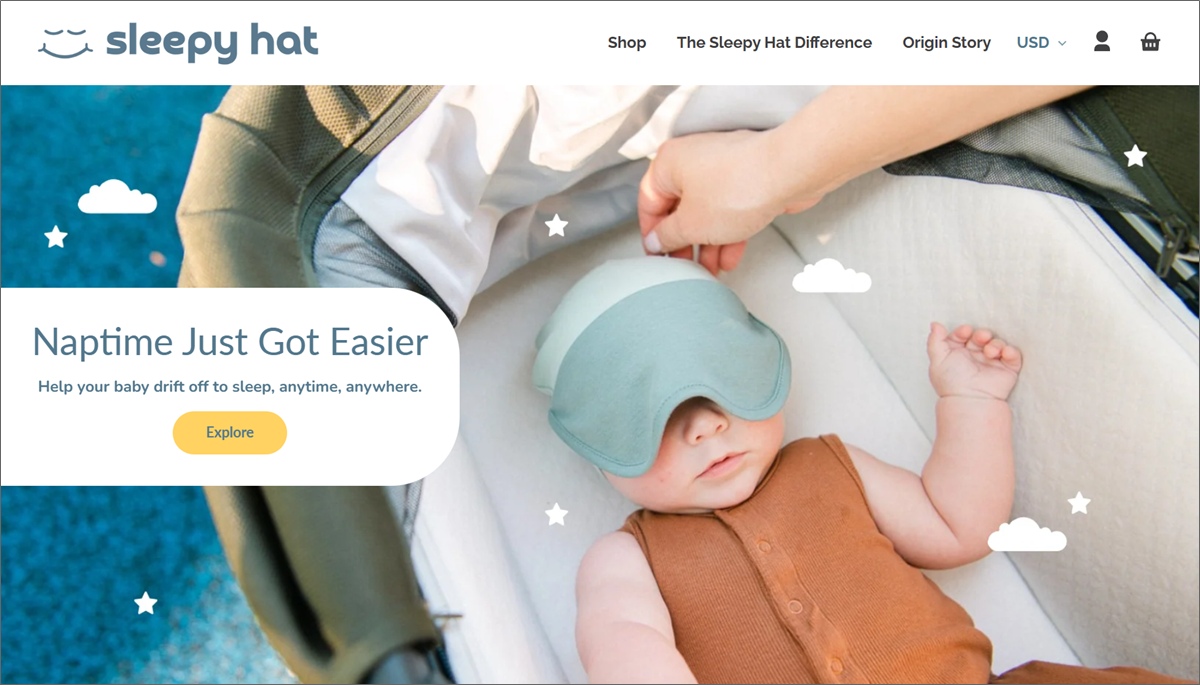
Julia Holden couldn’t find a sleep mask she liked for her newborn, so she designed the Sleepy Hat, a baby hat with an attached eye cover. It took $16,000 to launch, and this baby sleep mask now brings in up to $90,000 a month in peak season through Amazon and TikTok.
At 17, Bella Lin designed see-through, customizable guinea pig cages. She started with $2,000 in prototypes, sold out her first 100 units on Amazon in weeks, and was averaging $34,000 a month in sales, according to CNBC.
Not ready to manufacture? You can also license your idea to a bigger company.
Nate Dallas earned $300,000 from Mattel for licensing an idea for a Pictionary spin-off.
12. Printables
Type: Digital | Startup cost: Low | Where to sell: Etsy, your own site
Printables are digital files customers download and print at home, like planners, checklists, wall art, and party games. You make the file once and can sell it over and over.
Rachel Jones of Money Hacking Mama started selling printables on Etsy in 2018 while working full-time with two young kids. When we spoke, she was averaging over $10,000 a month in sales.
You don’t need fancy design skills, either. Debbie Gartner, aka The Flooring Girl, started with a $1 blood pressure chart and built a $4,000-a-month digital product shop, where most items sell for under $10.
Etsy charges $0.20 per listing and a 6.5% transaction fee, so even low-priced files can be profitable.
Want a shortcut? Cody Berman’s Etsy printables course walks you through finding niches and launching your first listings.
Etsy Printables
Create something once, sell it over and over again on autopilot. That’s the dream of a printable digital product business.
This free guide to seasonal product ideas will get your creative juices flowing on what you could sell.

13. Spreadsheet Templates
Type: Digital | Startup cost: Low | Where to sell: Etsy, your own site
Emily McDermott of PrettyArrow.com started out selling $2 printables on Etsy, then switched to $20 spreadsheet templates with colorful charts and built-in formulas. She did $250,000 in sales in under two years selling spreadsheets on Etsy!
Spreadsheets can sell for more than printables because they actually do something for the buyer. If you’re a whiz with Google Sheets or Excel, this might be your niche.
14. Canva Templates
Type: Digital | Startup cost: Low | Where to sell: Etsy, Creative Market, Canva
Lots of people want a polished design without starting from a blank page. You can sell editable templates for social media posts, media kits, presentations, and planners that buyers customize in Canva.
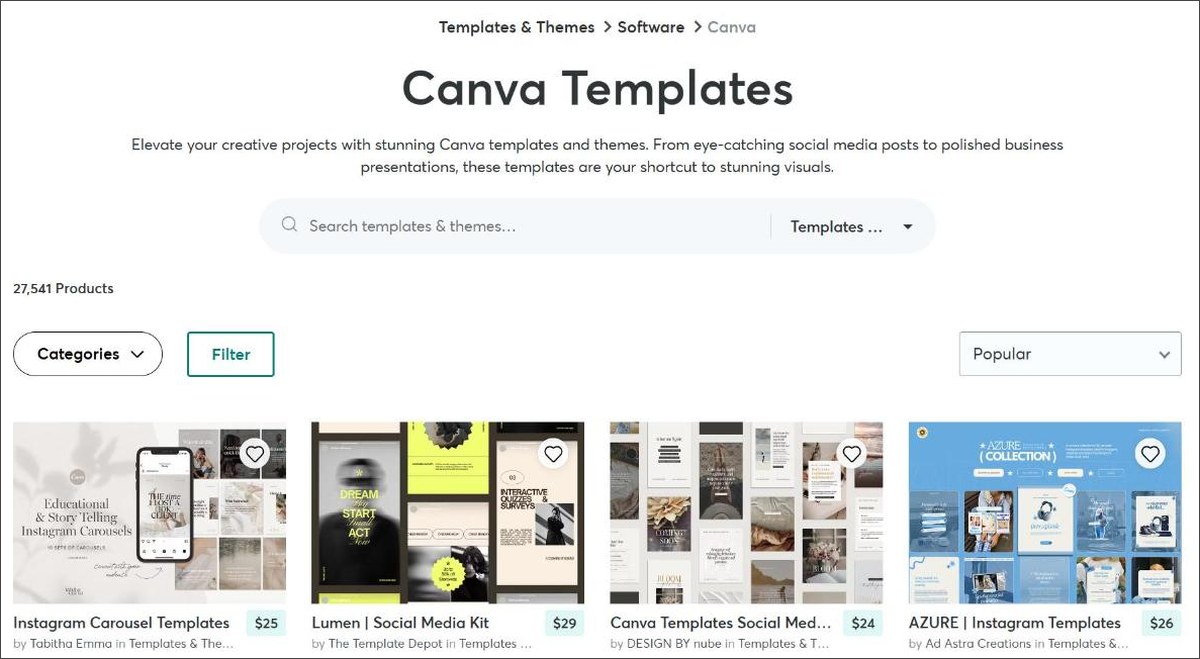
On Creative Market, most Canva templates sell for around $20 to $50. You can also apply to the Canva Creators program and earn royalties when Canva users use your templates.
Here are more ways to make money with Canva.
15. Planners, Workbooks, and Teacher Resources
Type: Digital | Startup cost: Low | Where to sell: Your own site, Etsy, TeachersPayTeachers
When we spoke, Becky Beach of MomBeach.com was earning about $30,000 a month, mostly from digital products like printables, planners, workbooks, and courses.
She sells them on her blog, Etsy, and TeachersPayTeachers, a marketplace for classroom resources.
Her advice is to research demand thoroughly before you create anything, then use free content to point people toward your paid products.
16. Ebooks, Journals, and Low-Content Books
Type: Digital or print on demand | Startup cost: Low | Where to sell: Amazon
With Amazon KDP (Kindle Direct Publishing), you can publish ebooks and paperbacks with no inventory. Amazon prints each paperback when someone orders it.
I’ve got several titles to my name and have earned over $85,000 in author royalties over the years.

17. 3D Printing Design Files
Type: Digital | Startup cost: Low | Where to sell: Printables, Cults3D, MyMiniFactory
If you can design in CAD or Blender, you can sell the files instead of the prints. Other 3D printer owners are always looking for cool things to print, like:
- miniatures
- fidget toys
- game pieces
- cosplay items
- home organization tools
Sites like Cults3D let you set your own prices and keep 80% of each sale, and Printables lets you sell paid models starting at $5.
Since you design once and sell the file over and over, it’s closer to passive income than selling prints.
18. Stock Music
Type: Digital | Startup cost: Low (if you already play) | Where to sell: Stock music libraries
Evan Oxhorn of StockMusicMusician.com is a self-described “moderately talented musician” with a simple home studio, and he earns thousands of dollars a year from music licensing. His songs have played on NPR and the Outdoor Channel.
Licenses range from under $10 to $400 or more, depending on how the buyer plans to use the music.
After commission, Evan makes $10 to $20 per sale.
19. Print-on-Demand T-Shirts and Apparel
Type: Print on demand | Startup cost: Low | Where to sell: Etsy, Amazon Merch on Demand
With print on demand, you create the design, and a partner like Printify or Printful prints and ships each order. You never touch inventory.
Former MRI tech Heather Johnson of HeatherX Studio built a print-on-demand business on Etsy selling t-shirts, mugs, and other gifts. Within two years, she was averaging $15,000 a month in revenue and $4,000 to $5,000 in profit. She prices for a 30% to 40% profit margin, which works out to about $10 per t-shirt.
Amazon Merch on Demand works the same way, but with Amazon’s huge built-in audience.
20. Print-on-Demand Candles and Home Goods
Type: Print on demand | Startup cost: Low | Where to sell: Etsy
T-shirts aren’t the only option. Francisco Rivera designs custom labels in Canva for organic candles, and Printify handles the rest. His print-on-demand candles did over $450,000 in sales in their first year on Etsy, with 30% to 50% profit margins.
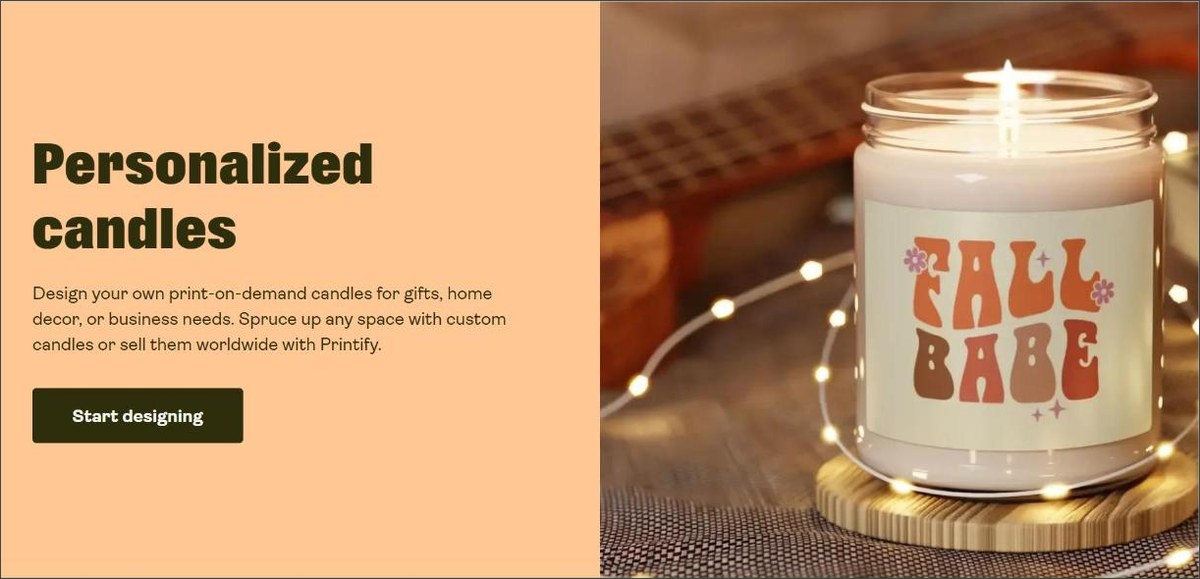
Emily Odio-Sutton has sold over 22,000 candles on Etsy for more than $500,000 in revenue, and she’s never touched a single one.
Her edge is going narrow, with listings for specific occasions like a nursing school graduation gift or a bridesmaid proposal.
The same model works across the Printify catalog, including:
- doormats
- drinkware
- garden flags
- Christmas ornaments
- and more
How to Choose What to Make and Sell
With so many options, here’s how the most successful makers above picked their products:
- Start where buyers already shop. Etsy, Amazon, and local markets bring the customers to you, so you don’t need an audience on day one. I call these “buy buttons.”
- Go specific. A “nursing school graduation candle” faces far less competition than a “graduation candle.”
- Price for profit. Aim for a 30% to 40% margin on every print-on-demand item, after fees and production costs.
- Test small. Make a few items, sell them locally or list them online, and see what people actually buy before you invest in equipment or inventory.
- Do it better. Paul didn’t invent wooden bow ties. He just made better-looking ones than what was already out there.
Serious About Making More Money?
- Start Your Free $500 Challenge. My free 5-day email course shows you how to add $500 to your bottom line.
- Join the free Side Hustle Nation Community. The free Facebook group is the best place to connect with other side hustlers and get your questions answered.
- Download The Side Hustle Show. My free podcast shares how to make extra money with actionable weekly episodes.
The award-winning Side Hustle Show is the #1 side hustle podcast
with over 1,300 5-star ratings!

Listen in your favorite podcast app or directly in your browser.




Frequently Asked Questions
What is the most profitable thing to make and sell?
Digital products like printables and spreadsheet templates usually have the highest profit margins, since you make the file once and there’s nothing to ship. Print-on-demand products are next, with typical margins of 30% to 50%. Physical products can be very profitable too, like Rodney Melton’s engraved pet headstones at an estimated 65% profit margin.
What can I make and sell from home?
Popular options include baked goods (where your state’s cottage food laws allow it), jewelry, 3D-printed products, woodworking projects, printables, Canva templates, and print-on-demand designs. Digital and print-on-demand products are the easiest to run from home since you never handle inventory.
What can I make and sell with no money?
Start with digital products or print on demand. You can design printables or templates with Canva’s free plan and sell them on Etsy for $0.20 per listing, or upload t-shirt and candle designs to a print-on-demand service that only charges you when an order comes in.
Do I need a license to sell homemade products?
It depends on where you live and what you sell. Many cities and states require a basic business license, and food products usually fall under cottage food laws. You may also need to collect sales tax, though marketplaces like Etsy and Amazon handle that in many states. Check with your city and state before you start selling.
Where is the best place to sell handmade items?
Etsy is the biggest marketplace for handmade and digital products. You can also sell on Amazon, TikTok Shop, Facebook Marketplace, and Instagram, or in person at craft fairs and farmers markets. Many makers start on a marketplace to find customers, then add their own website later.